
omaid

gocarely blog 6

Domiciliary Care Versus Residential Care: Services, Benefits and Choosing the Right Option

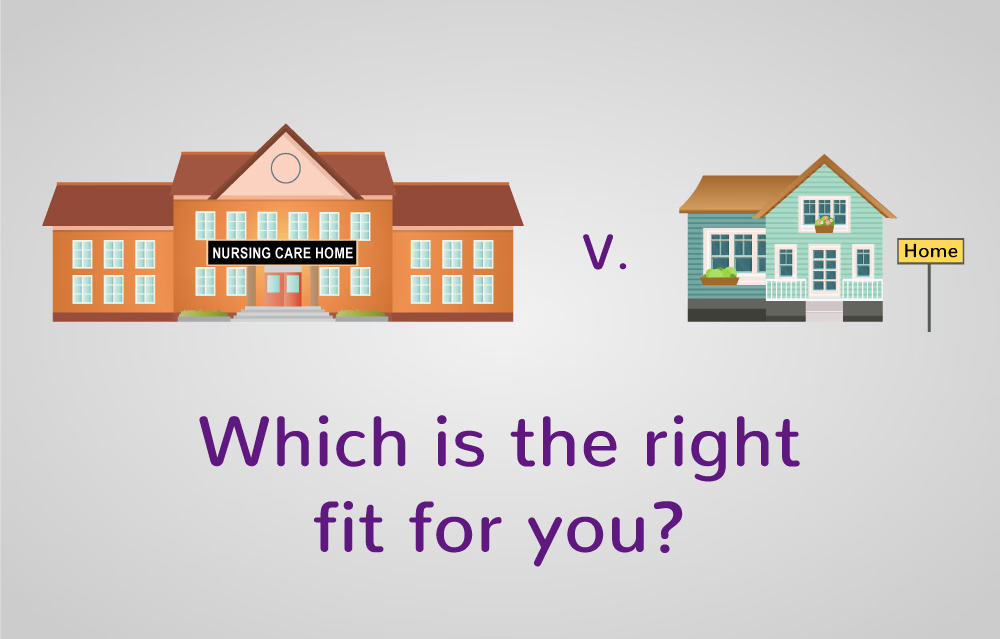
Defining domiciliary and residential care Domiciliary care refers to services delivered in a person’s own home. Carers visit for short calls, longer sits or provide live‑in support. Residential care means moving into a care home, while nursing homes provide round‑the‑clock nursing supervision. People often search online for “home care versus care home” to understand which

Domiciliary Care Versus Residential Care: Services, Benefits and Choosing the Right Option Read More »

gocarely blog 5

Specialist Home Care for Dementia and Complex Needs: Why Staying at Home Matters

The growing need for dementia care Dementia is now the leading cause of death in the UK, highlighting the enormous need for high‑quality care. Most people with dementia live at home in the early stages, but as the disease progresses they require increasing support with personal care, medication and daily activities. Home care, sometimes supplemented

Specialist Home Care for Dementia and Complex Needs: Why Staying at Home Matters Read More »

gocarely blog 4

Navigating the Care Quality Commission: New Registration Requirements and the Single Assessment Framework

The role of the CQC The Care Quality Commission (CQC) is the regulator of health and social care in England. It inspects domiciliary care agencies and ensures they meet fundamental standards of safety, effectiveness, compassion and responsiveness. Providers must register with the CQC before they can legally deliver personal care. Ratings (Outstanding, Good, Requires Improvement

Navigating the Care Quality Commission: New Registration Requirements and the Single Assessment Framework Read More »

gocarely blog 3

Technology in Domiciliary Care: Digital Social Care Records, Remote Monitoring and the Future of Care

The rise of digital social care records Digital transformation is a hot topic in home care. Traditional paper‑based systems are inefficient and prone to errors, but switching to digital can seem daunting. Over 70 % of care providers in England have now adopted digital social care record (DSCR) solutions. These platforms allow carers to record

Technology in Domiciliary Care: Digital Social Care Records, Remote Monitoring and the Future of Care Read More »

gocarely blog 2

The Workforce Crisis in Home Care: Recruitment Challenges and Visa Restrictions

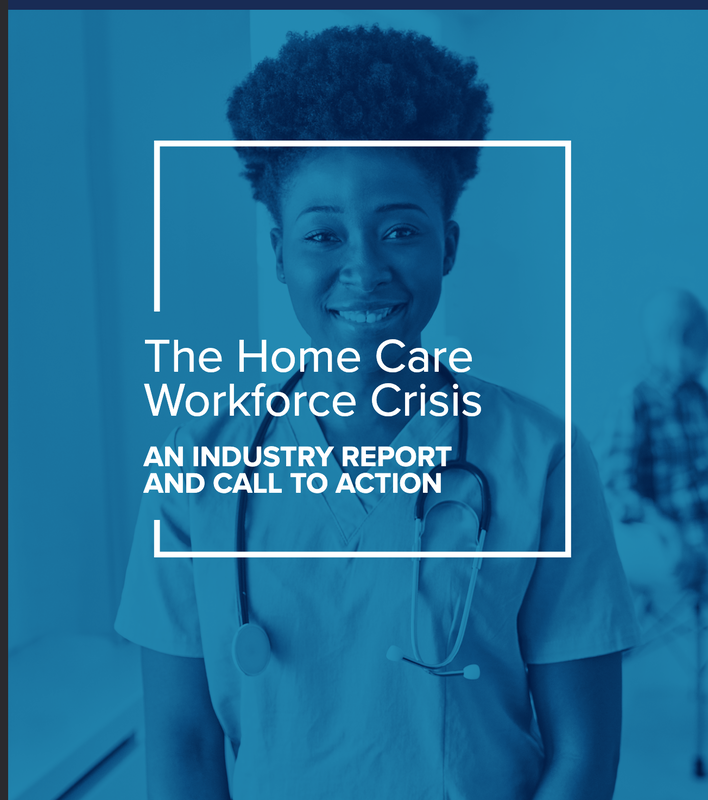
Overview of the staffing problem The success of domiciliary care services hinges on the availability of skilled, compassionate carers. Yet in 2025 the sector faces a staffing crisis. A Department of Health and Social Care (DHSC) survey conducted in April 2025 revealed that 71 % of provider locations found recruitment challenging, and 58.5 % of

The Workforce Crisis in Home Care: Recruitment Challenges and Visa Restrictions Read More »

gocarely blog 1

What Does Home Care Cost? Understanding the Price and Funding of Domiciliary Care in the UK

Why cost matters When families begin exploring domiciliary care (also called “home care”), one of the first questions is: how much will it cost? Domiciliary care allows older people and those with disabilities to remain in familiar surroundings while receiving support with personal care, medication, household tasks and companionship. However, paying for care can be

What Does Home Care Cost? Understanding the Price and Funding of Domiciliary Care in the UK Read More »